
ATHLETE SPORTS PERFORMANCE
Build the Physical Qualities Your Sport Demands
RTS has worked with youth and collegiate athletes to develop the physical qualities that support better performance in sport.
RTS has worked with youth and collegiate athletes to develop the physical qualities that support better performance in sport.
INDIVIDUALIZED ATHLETE DEVELOPMENT
Every Athlete Is Evaluated. Every Program Has a Reason.
Whether an athlete trains one-on-one, in a small group, or semi-private, the process stays the same: assess the athlete, train what they need, measure the response, and adjust.
HOW WE TRAIN
ASSESS, TRAIN, MEASURE, ADJUST. REPEAT.
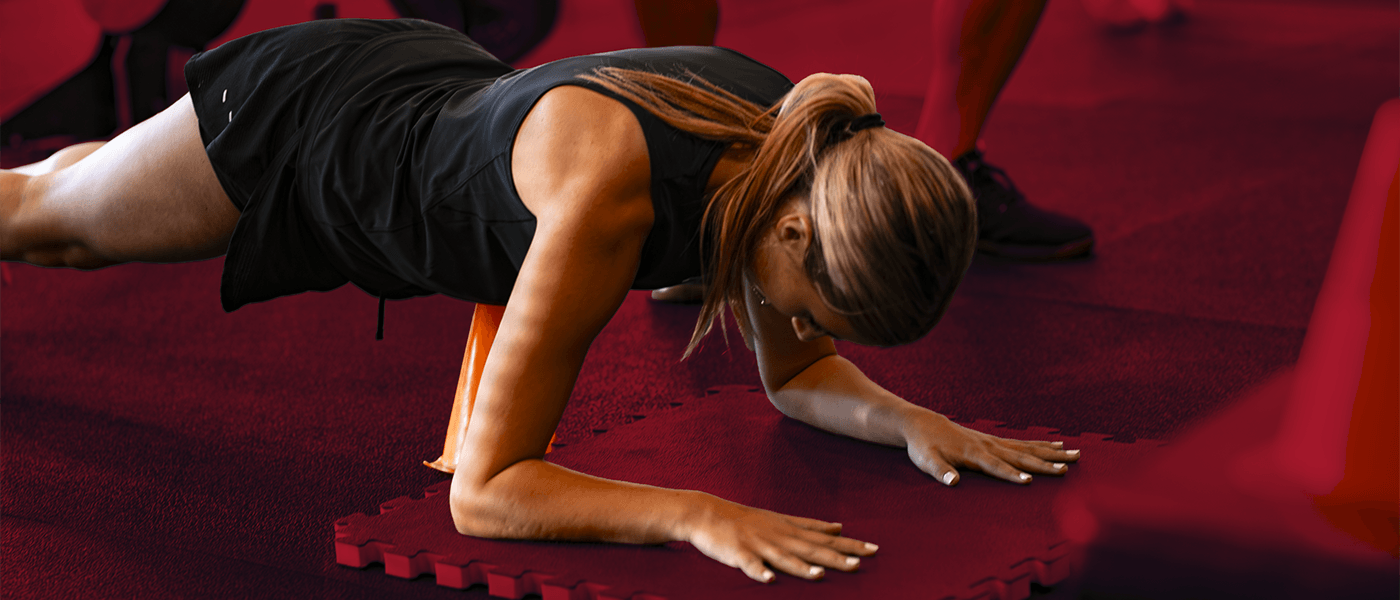
Every athlete begins with a comprehensive movement and performance evaluation. We look at qualities such as speed, agility, power, and strength to understand where the athlete is starting and what needs the most attention.
From there, training is individualized around the athlete. Coaches can modify exercises, training variables, and sessions based on how that athlete moves, performs, and responds to the program.
Progress is measured throughout training, not assumed. We periodically retest performance and use those results, along with what our coaches observe, to determine what is improving and where the program should change next.
WE BUILD THE ATHLETE. WE DON’T TRY TO RECREATE THE SPORT IN THE WEIGHT ROOM.
Sports performance training is not about attaching resistance bands to a lacrosse stick, basketball, or other piece of sports equipment to make an exercise look more “sport-specific.”
The role of sports performance is to develop the physical qualities that give an athlete a greater opportunity to improve their sport skills.
That can mean developing transferable speed, reactive change of direction, the ability to rotate, the ability to load the hip, greater force production, strength, power, mobility, and other physical capabilities that support what the athlete is being asked to do on the field or court.
Skill development belongs with a qualified sport or skills coach. Our job is to make sure the athlete has more physical capacity to bring to those skills.
TRAINING OPTIONS

ONE-ON-ONE
One-on-one training gives the coach the deepest opportunity to tailor training to the athlete every session.
Coaching goes beyond counting repetitions. The coach evaluates how the athlete moves, their body language, current performance metrics, schedule, and response to training, then adjusts the session when needed.
SEMI-PRIVATE
Individual Programming With More Independence
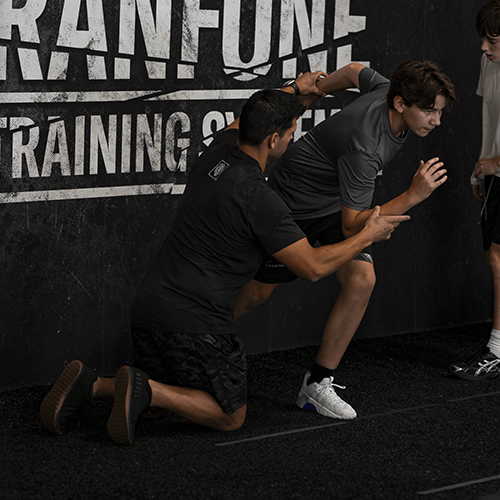
Semi-private training allows 10 or more athletes to train at the same time while following their own individualized programming.
The environment is more self-led, with coaches monitoring performance, providing feedback, and making adjustments as needed while athletes take greater ownership of their training.
SMALL-GROUP
Individualized Coaching in a Dedicated Group Environment
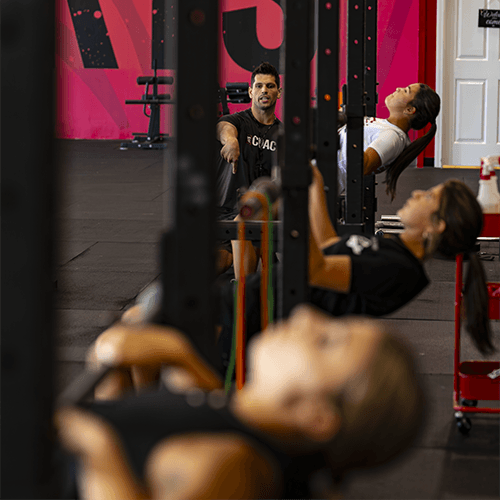
With a coach-to-athlete ratio of up to 1:4, small-group training gives athletes direct coaching while adding the competition and energy of training alongside their peers.
Each athlete is still assessed individually, and training can be modified around their specific needs rather than everyone simply completing the same workout.

TEAM & ORGANIZATIONAL TRAINING
Bring RTS Sports Performance to Your Team
RTS has served as the primary strength and conditioning provider for North Haven High School Athletics since 2017, working across its sports programs to develop and implement strength and conditioning.
RTS can work with high schools, teams, and athletic organizations to develop training programs, educate athletes and teams, and implement strength and conditioning either in person or virtually.
The Director of Athlete Sports Performance
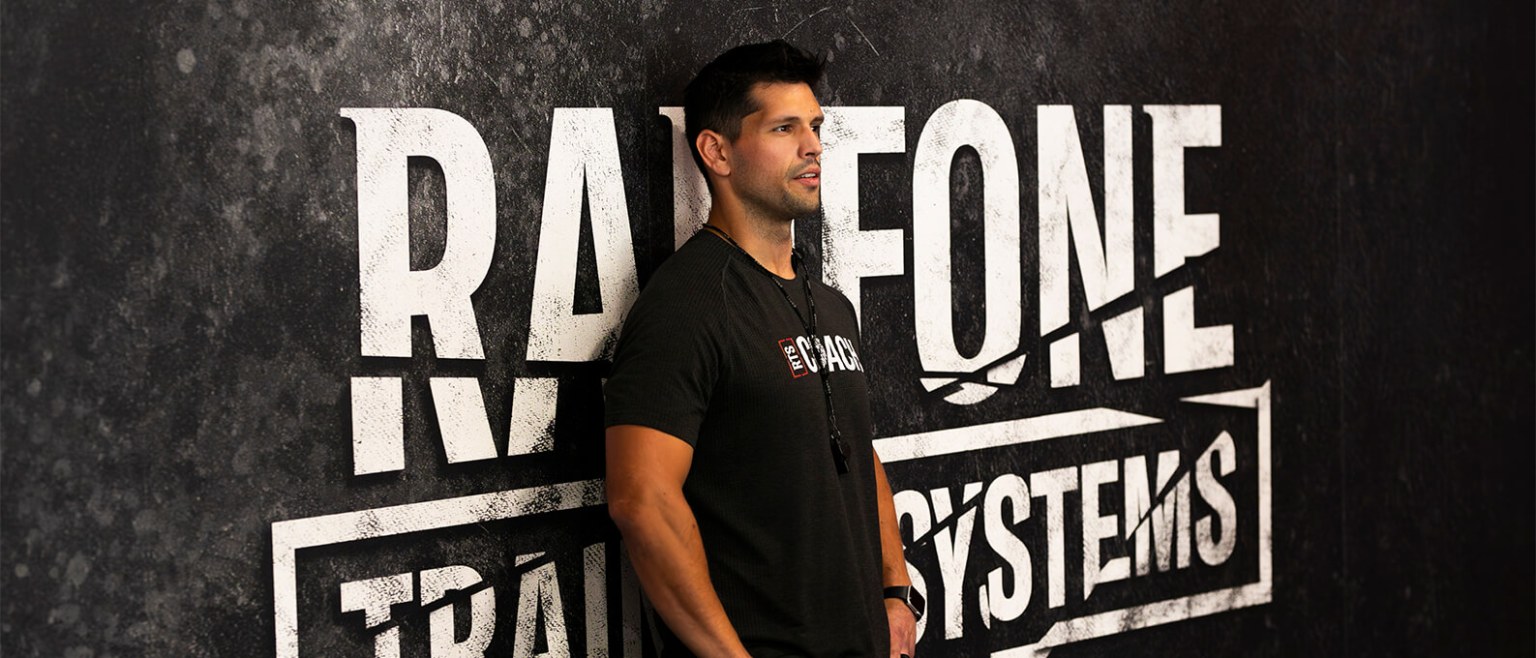
BS, CSCS, CFSC, FMS, FRC, ELDOA Spine
Corey Berrios
As RTS Director of Athlete Sports Performance, Corey leads an approach centered on individuality rather than one-size-fits-all programming.
Athletes are continually evaluated through movement, performance metrics, coaching observation, and their response to training. That means a program or individual session can change when the athlete in front of the coach shows that it needs to change.
The objective is not simply to complete the workout. It is to continually make training fit the athlete.
SUCCESS STORIES
Hear from real athletes, who reached their fitness, health, and nutrition goals.
Christian
“From January 2018 to August 2018 I put on nearly 20 pounds, of which nearly all was attributable to muscle. My benchpress went from 375 pounds to over 425, my squat went from 500 to nearly 600. After being a collegiate athlete for four years, to see this amount of growth truly blew my mind.”
Dan
“Before joining RTS, I had a bunch of nagging injuries that made it difficult to lift without pain. They designed a custom plan that has allowed me to see noticeable gains in size, strength, and mobility in less than 8 weeks. I’m able to workout pain free for the first time in years, and I’ve never enjoyed training more than I do now.”
Avi
“Simply put, I feel remarkable. I never thought I would have the discipline to follow through on any exercise regimen (made excuses not to since I am a physician and was skinny-ish). With Scott's help, encouragement, guidance, not only have I proven to myself that I can do this, but also, and more importantly, I have been able to use my experience to inspire my patients.”
FREQUENTLY ASKED QUESTIONS
What ages and genders do you work with?
RTS welcomes athletes across ages and genders, including boys, girls, men, and women. Training is organized so the environment and programming make sense for the athletes involved.
Is RTS training sport-specific?
Yes, but not by trying to imitate the sport with gym exercises.
RTS looks at the physical demands of the athlete’s sport and position and develops transferable qualities such as speed, reactive change of direction, rotation, force production, strength, power, mobility, and movement capacity.
Sport skills themselves should be developed with the appropriate sport or skills coach.
What training formats are available?
RTS offers one-on-one training, small-group training, and a more independent semi-private training model.
Small groups are typically three to four athletes so RTS can maintain individualized coaching while adding the competitive and social environment of training alongside peers.
How long is an Athlete Sports Performance program?
RTS typically works in approximately two-month training blocks and commonly offers eight-week off-season packages.
Programming can also be structured for off-season, pre-season, or in-season training depending on the athlete.
How many days per week should an athlete train?
Athletes commonly train between one and three days per week depending on their needs and availability.
How do you measure progress?
Athletes are periodically tested throughout their training. Testing can include measures of speed, strength, and power, along with ongoing evaluation of movement and other performance metrics.
Those results help coaches determine whether the athlete is progressing appropriately and where the program should be adjusted.
Does sports performance training help prevent injuries?
RTS does not promise injury prevention. Sport always carries an inherent risk of injury.
Instead, the focus is on mitigating unnecessary risk where possible. That includes assessing how an athlete moves and developing movement quality, mobility, strength, resilience, and exposure to different positions so the athlete is better physically prepared for the demands of their sport.
Can RTS work with an entire school or sports team?
Yes. RTS develops and implements strength and conditioning programs for high schools, teams, and athletic organizations.
RTS has served as the primary strength and conditioning provider for North Haven High School Athletics since 2017 and can provide programming, athlete education, and training implementation both in person and virtually.
What is the difference between small-group and semi-private training?
Small-group training maintains a coach-to-athlete ratio of up to 1:4 and provides a more dedicated, coach-led group environment. Athletes receive individualized training while also benefiting from the competition and interaction of working alongside a small number of peers.
Semi-private training accommodates 10 or more athletes at a time and is more independent. Athletes follow their individualized programming while RTS coaches monitor the training floor, provide feedback, and make adjustments as needed.